
If you’ve ever thought, “I should probably sell something digital,” you’re not alone.
Digital products are still one of the most accessible ways to build online income, whether you’re a creator, freelancer, business owner, or just someone with useful knowledge.
The difference now is expectations.
Buyers are more selective. They want clarity, speed and outcomes. They also want something AI can’t give them for free.
The good news is that when you get it right, digital products still scale better than almost anything else.
This guide walks you through 30 digital products that sell well, explains why people buy them, and shows you how to choose one that fits your skills and goals.
By the end, you should have at least one idea you can realistically act on.
Digital Products and Why They Still Matter
The strength of digital products is tied to three core advantages.
First, once created, they cost very little to deliver. A PDF guide, a template, or a course can sell 10 times or 10,000 times without increasing production costs.
Second, delivery is instant. Someone buys, they get value immediately. That speed is now expected, not optional.
You could set up a SureCart store and add it to your website and be selling in just a couple of hours, for free!
Third, digital products fit naturally into how people learn and work today.
Short attention spans, remote work, side hustles and self education all push buyers toward downloadable or on demand solutions.
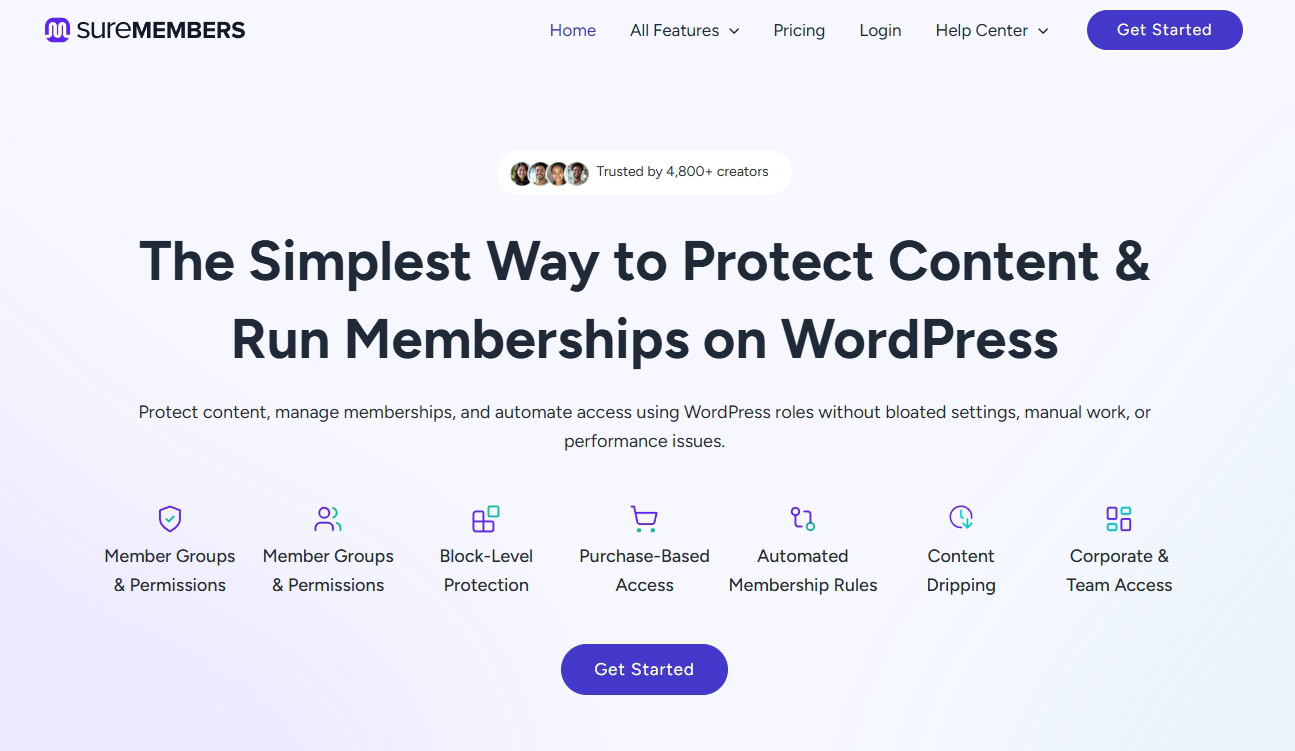
If you’re targeting self education or online learning, SureMembers does all the heavy lifting for you. That makes selling digital products even easier!
Think about it this way. If someone has a problem at 10pm or wants to learn something while they are in the mood, they don’t want to wait for office hours.
They want a resource they can use right now.
That’s the role digital products still play, and why demand hasn’t slowed. As we look toward the future of sales, the ability to combine these scalable digital assets with AI-driven automation will define how modern businesses achieve rapid, hands-off growth.
How To Choose the Right Digital Product Idea
The biggest mistake people make is choosing a product because it sounds profitable, not because it fits them.
The best digital products sit at the intersection of three things.
- What people already want help with
- What you can explain, systemize, or simplify
- Where people are actively searching or buying
Ask yourself a few grounding questions.
- What questions do people already ask you?
- What tasks do you repeat for clients or coworkers?
- What do you explain more than once a month?
For example, if you’re a freelancer who keeps sending onboarding emails, that’s a template product waiting to happen.
If you manage projects in Notion and people ask how you do it, that’s a system you could sell.
The goal isn’t to invent demand. It’s to package clarity around something people already struggle with.
Lucrative Digital Products To Sell In 2026
As you go through the list below, notice which ideas feel realistic for you, not just interesting.
First we’ll outline the 10 most profitable options in our experience and then we’ll get right to the list.
10 High Earning Potential Digital Products
| Product | Difficulty | Earning Potential | Notes |
|---|---|---|---|
| Online courses | Medium | High | Best when tightly scoped around one outcome. Short, results driven courses outperform long libraries. |
| SaaS tools | High | Very high | Requires technical skill or budget, but recurring revenue compounds quickly once traction starts. |
| Membership programs | Medium | High | Strong retention depends on clear ongoing value, not just access to content. |
| Coaching programs (packaged) | Low to medium | High | Easier to launch if you already work with clients. Scales well when structured and systemized. |
| Website themes and templates | Medium | High | Niche specific designs convert better than general purpose templates. |
| Business and legal templates | Low | Medium to high | Buyers value clarity and reassurance. Instructions and examples increase conversions. |
| AI prompt packs | Low | Medium | Works best when prompts solve a specific job, not general experimentation. |
| Subscription newsletters | Medium | Medium to high | Requires consistency. Works well for industries where staying informed saves time or money. |
| Notion systems and productivity templates | Low | Medium | Strong demand when templates deliver a complete workflow. |
| Stock assets (photos, audio, video) | Medium | Medium | Volume and discoverability matter. Bundles usually outperform individual files. |
Learning And Knowledge Products
Learning products sell because they promise understanding, confidence, or progress.
Current buyers expect learning to be focused, practical and outcome driven. They also expect courses to offer more than if they used AI.
1. Online Courses
Online courses are still one of the highest earning digital products, but they’ve changed shape.
Long, bloated courses struggle. Short, specific courses win.
A strong example is a course titled “Launch Your First Shopify Store in 14 Days,” instead of “How Ecommerce Works.” Clear outcome, clear audience, clear timeline.
Courses work best when they solve one problem well. If you catch yourself trying to teach everything you know, narrow it down.
The best courses feel like a guided shortcut rather than a textbook.
Combine your courses with SureMembers and you could have your very own learning management system in no time!
A great example comes from SkillJet. It offers an in-depth course library covering topics like how to speed up a website and how to build recurring revenue.

2. eBooks And Practical Guides
eBooks still sell, but only when they’re exceptionally useful. Think checklists, step by step guides, or playbooks.
A good example might be “A First Time Landlord Checklist” or “A 30 Day Email Cleanup Plan.” Short, direct and easy to apply.
If your eBook could be summarized into three vague ideas, it’s probably not ready.
Either that or you need a little help from SureWriter AI to turn it into a masterpiece!

3. Live Workshops And Replay Access
Workshops create urgency. People buy because it’s happening at a set time, then you can resell the replay afterward.
For example, a two hour live workshop on “Pricing Freelance Services With Confidence” can later become a replay product for people who missed it.
You could also repurpose it into an eBook or digital course.
This format works well if you’re comfortable teaching live and want faster feedback from buyers.
4. Paid Webinars
Paid webinars work best when they tackle a single problem in under 90 minutes.
Think of them as focused deep dives.
For example, “How To Audit Your Website Homepage for Conversions” or “How To Prepare Your Finances Before Going Self Employed.”
Short, sharp, and practical wins here.
Certification and Skill Based Programs
Certification programs sell because they offer proof. Even informal certificates help learners feel confident sharing what they’ve completed.
These work especially well in professional niches like marketing, operations, or tech tools.

5. Cheat Sheets And Study Aids
Not everyone wants a full course. Some buyers want something they can reference quickly.
Cheat sheets, flowcharts, and one page summaries sell well as addons or entry level products.
If your audience says, “Can you just summarize this?” that’s your cue.
Before moving on, notice the pattern. Every strong learning product solves one clear problem, not ten.
Those interested can sign up for a fee and gain access to a community, mentoring, and other perks.
6. Templates, Planners and Workflow Tools
Templates sell because they save time, the currency people guard most closely.
7. Business Templates And SOPs
Standard operating procedures, proposal templates, onboarding docs and internal workflows are gold for small businesses.
If you’ve ever built a process you reuse, others probably want it.
For example, a client onboarding SOP for freelancers or a hiring checklist for small teams.
8. Notion And Productivity Systems

Notion templates continue to sell well because people want structure without building from scratch.
A simple example is a content calendar with built in prompts, or a personal finance tracker that updates automatically.
The key is clarity. Don’t sell “a dashboard.” Sell what the dashboard helps them do.
9. Planners and Calendars
Digital planners work best when tied to a lifestyle or goal.
Think meal planning, daily focus planning, or fitness tracking. Vague planners struggle. Purpose driven planners sell.
10. Budget Trackers and Financial Tools
People still want help managing money, especially when costs feel unpredictable.
A budget tracker that includes categories, examples and setup instructions will outperform a blank spreadsheet every time.
11. Social Media Templates
Content creators want speed. Caption templates, carousel layouts and post frameworks save hours.
A good example is “30 LinkedIn Post Templates for Service Businesses,” not just “Social Media Templates.”
12. Resume And Career Templates
Career tools sell well when they’re tailored. Industry specific resumes and cover letters convert better than generic ones.
If you’ve helped someone land a role, you already have proof this works.
At this point, you might notice a theme. Templates succeed when they remove effort and guesswork.
Software, Tools and Tech Products
Tech based products usually require more effort but they also offer attractive recurring revenue opportunities.
13. SaaS Tools
SaaS products solve ongoing problems. Even small tools can succeed if they focus on one job.
Examples include scheduling tools, reporting dashboards, or automation helpers for specific platforms.
You don’t need to compete with massive tools. Niche software often performs better.
14. Mobile Apps And Utilities
Utility apps still sell when they do one thing very well.
Think timers, trackers, or niche calculators.
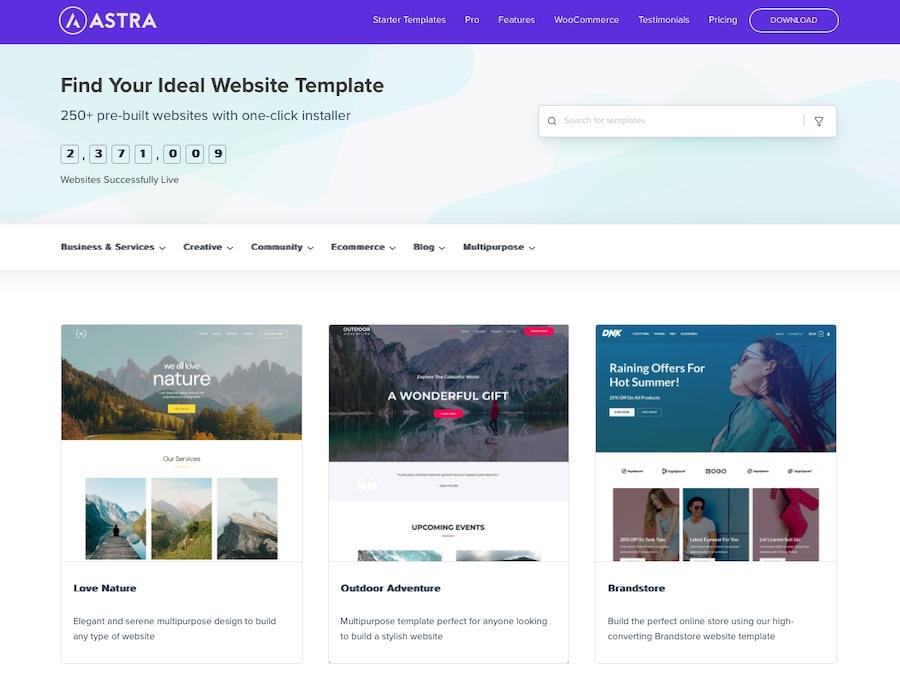
15. Website Themes and Templates
Website templates remain strong sellers, especially when paired with specific use cases.
A template built “for consultants” or “for local service businesses” is more appealing than a generic design.
16. Plugins and Extensions
WordPress plugins are great digital products to sell because they enhance existing platforms.
In our case, we build plugins to solve specific problems or overcome specific shortcomings in existing solutions.
Astra was created to offer flexibility to non-designers and enable people who aren’t WordPress experts to create amazing websites.
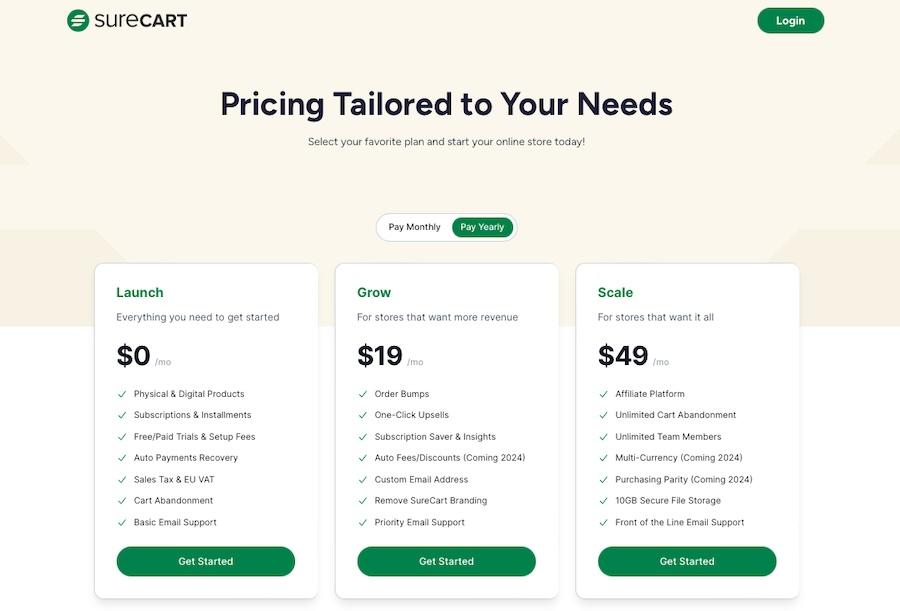
SureCart was created to overcome the limitations of WooCommerce. SureRank to be easier to use than other SEO plugins.
If you’ve built a workaround or custom solution for yourself, there’s often a market for it.
17. AI Prompt Packs and Assistants
Prompt packs work when they’re specific.
“Prompts for Writers” is vague. “Prompts to Rewrite Client Proposals Faster” is clear.
Buyers want usable prompts, not abstract ideas.
As tech products grow, so does buyer expectation. Clear demos and use cases matter more than features.
Memberships And Recurring Access Products
Recurring products win because they grow over time. As long as you continuously increase the value, we think they are long term digital products worth selling.
18. Membership Programs
Memberships work best when tied to ongoing progress.
For example, monthly business reviews, writing feedback groups, or accountability communities.
People stay when they feel supported and see momentum.
19. Private Communities
Private communities sell best when they offer access to exclusive content or provide something people can’t get elsewhere.
Think curated discussions, expert input, or peer learning.
20. Packaged Coaching Programs
Structured coaching products give buyers a clear path to a specific goal.
Instead of open ended coaching, sell a defined outcome with milestones or a specific certification or outcome.
Recurring products require consistency, but they also create stability once established.
Creative and Media Assets
Creative products sell because other people need assets quickly.
This is another digital product where you’ll need to offer something AI cannot (easily) generate or that people cannot get elsewhere.
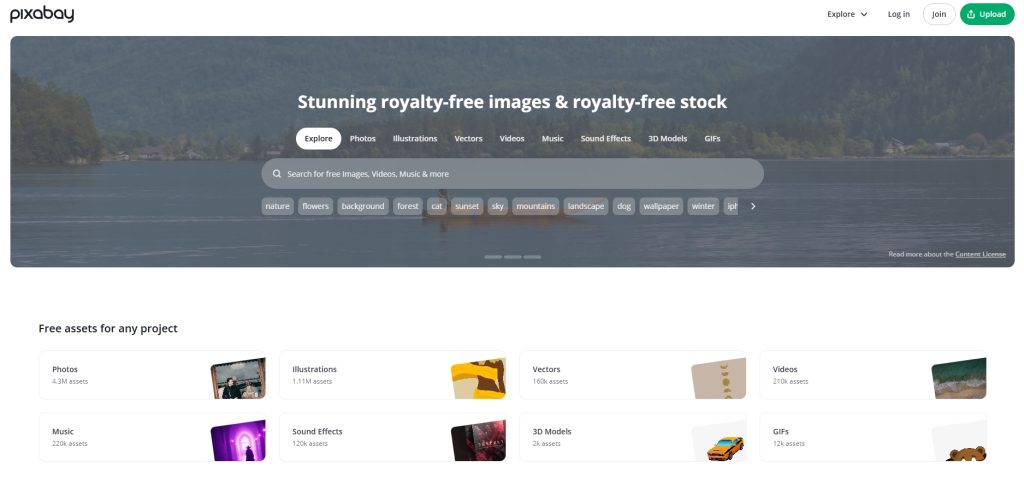
21. Stock Photos, Audio and Video
If you create content regularly, you can repurpose it into packs.
Examples include brand photos, background music loops, or short video clips.
22. Fonts, Icons and Design Kits
Design resources sell when they’re cohesive and ready to use.
Bundles outperform individual assets.
23. Digital Art and Wallpapers
These work best with a strong style or theme.
Think seasonal sets, aesthetic packs, or niche audiences.
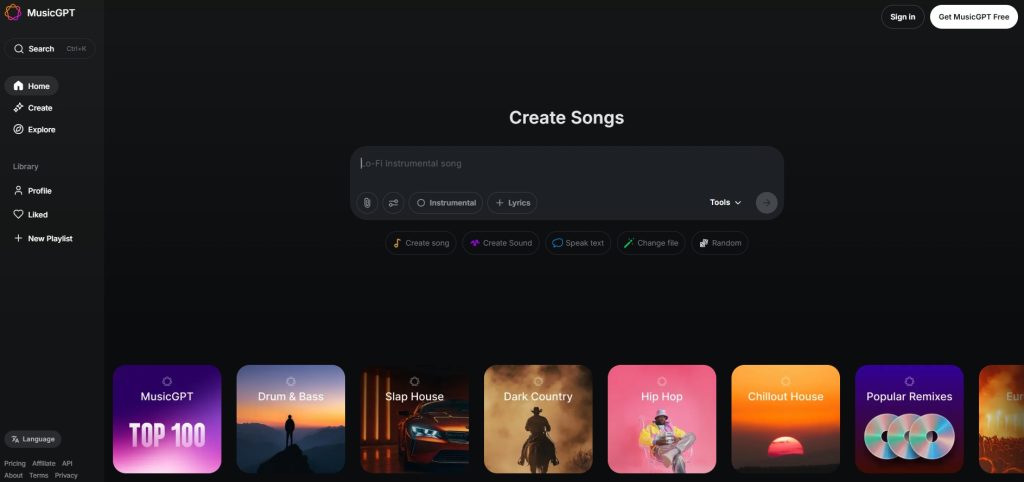
24. Music Loops and Sound Effects
Creators need audio constantly. Short, categorized packs sell better than large libraries.
25. 3D Models and Game Assets
As AR and VR tools grow, asset creators continue to find opportunities.
If you already work in 3D, this is a natural extension.
Creative products succeed when they make someone else’s work easier.
Niche and Emerging Digital Products
Some products don’t fit neatly into categories, but they can still sell well.
26. Legal and Business Document Templates
Clear, well written templates save people from stress.
Always pair them with guidance on how to use them.
27. Interactive Tools And Calculators
Calculators help people understand their situation.
Examples include loan calculators, pricing estimators, or ROI tools.
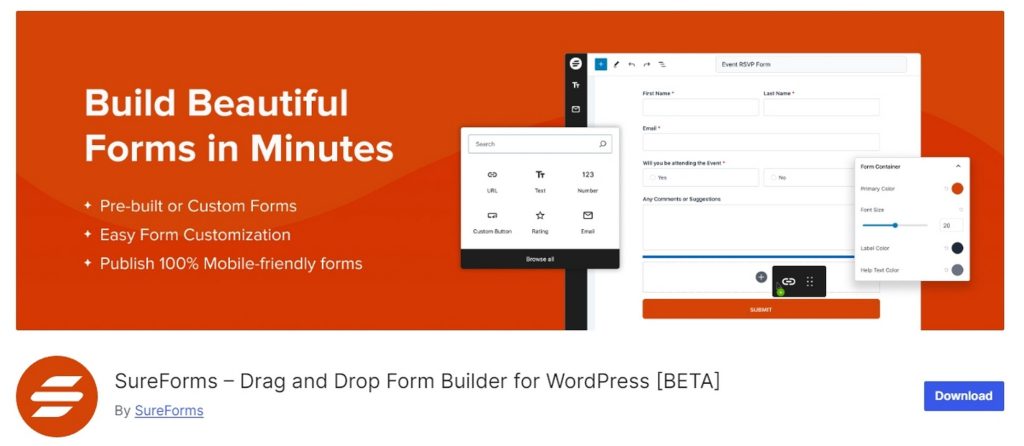
All things made possible with SureForms.
28. Research Reports and Data Packs
Professionals pay for clarity. If you analyze trends or data, packaged insights can sell.
29. Digital Events With Bonuses
Bundling tickets with recordings, worksheets, or templates increases value.
30. Educational Games and Activity Packs
Parents and educators continue to buy structured activities they can use immediately.
Where To Sell Digital Products
Where you sell affects how much control you have and how quickly you can grow.
- Your own website gives you full ownership and better margins, but you need traffic.
- Marketplaces like Etsy work well for planners, templates and creative assets because buyers are already browsing.
- Platforms like Gumroad and Shopify make checkout simple and handle delivery.
Many sellers use a mix. Marketplace for discovery, website for long term growth.
Choose the path that matches your current reach, not your future ambition.
When you’re ready to grow, create your own online store with Astra and SureCart. There’s no limit to what you can achieve!
How To Validate Demand Before You Build
Researching demand matters more than most people realize.
Before spending weeks creating a product, test interest. You can run a simple poll, create a waitlist, or offer pre-sales.
Even a basic landing page with an email signup can tell you a lot.
If people hesitate to sign up for free, they probably won’t buy later.
How To Price Digital Products
Pricing should reflect value, not effort.
Low priced products work as entry points. Higher priced products work when tied to transformation.
Payment plans help reduce hesitation for premium offers.
If buyers say, “That’s expensive,” ask compared to what. Most digital products replace time, confusion, or mistakes.
Sell Digital Products and Expand Your Earning Potential
Digital products are still powerful in 2026, but they reward clarity over volume.
The strongest products solve one problem clearly, respect the buyer’s time, and deliver results quickly.
You don’t need a massive audience or complex tech. You need a real problem, a clear solution, and the willingness to package what you already know.
Start small. Test early. Improve as you go.
That’s how digital products turn from ideas into income.


Abhijeet Kaldate is the co-founder and CRO of Brainstorm Force. With a keen eye for detail and a knack for getting things done, Abhijeet oversees the company's operations, managing key areas such as HR, marketing, design and finance.
Disclosure: This blog may contain affiliate links. If you make a purchase through one of these links, we may receive a small commission. Read disclosure. Rest assured that we only recommend products that we have personally used and believe will add value to our readers. Thanks for your support!